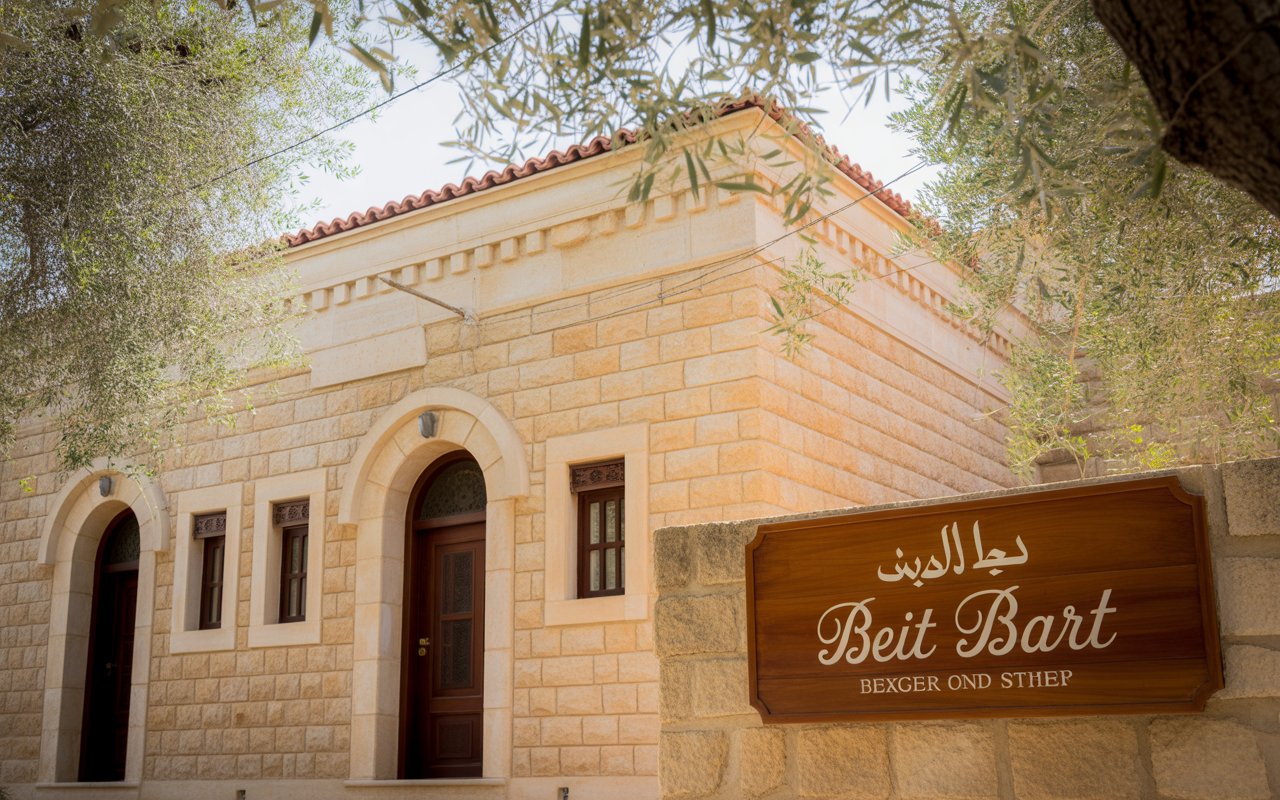

Beit Bart is a term that has caught the attention of many due to its intriguing origins and possible cultural or historical associations. The phrase itself carries a mysterious tone, often interpreted differently across contexts. Some associate it with a place, others with a concept, while some believe it refers to an artistic or literary expression. Regardless of interpretation, Beit Bart has become a subject of curiosity for those exploring cultural identity, heritage, and symbolic meaning in names.
Understanding the Meaning of Beit Bart
To understand Beit Bart, it helps to break down the term linguistically. In several Middle Eastern and Semitic languages, “Beit” translates to “house” or “home.” This prefix is common in many names, such as Beit El or Beit Lahm, meaning “House of God” and “House of Bread,” respectively.
The second part, “Bart,” may refer to a name, family, or symbolic identity. When combined, Beit Bart could mean “House of Bart,” possibly referring to a person, clan, or lineage. In this way, Beit Bart may symbolize belonging, ancestry, and cultural roots — the idea of a home or community connected by a shared name or purpose.
Possible Historical Background of Beit Bart
The origin of Beit Bart is not clearly documented, but some researchers suggest that the name could have regional or familial roots. Many traditional communities used the “Beit” prefix to designate homes, tribes, or important family houses. These names often held deep meaning, representing not only a physical place but also a legacy passed through generations.
Beit Bart might have emerged as a symbolic or literal name of a place where a certain family or lineage resided. Over time, such names often evolve into identifiers that carry social or historical value within specific communities.
Cultural Interpretations of Beit Bart
In a broader sense, Beit Bart represents the universal human connection to belonging and heritage. Every culture has its own way of naming family homes or ancestral origins. The word “Beit” alone evokes warmth, safety, and shared identity — all qualities that define a home or a community.
In this light, Beit Bart could symbolize more than just a name; it becomes a metaphor for continuity, unity, and cultural pride. Whether it refers to a real location or a symbolic space, it embodies the concept of preserving one’s history while adapting to the modern world.
Beit Bart in Literature and Modern Usage
In contemporary times, Beit Bart has appeared in artistic, literary, and online discussions, often as a term representing roots or belonging. Writers and creators may use the name as a poetic symbol, blending traditional and modern themes.
The growing interest in names like Beit Bart reflects a wider fascination with cultural revival and historical exploration. People today are more curious than ever about the stories behind names and how they connect to identity and heritage.
This renewed attention helps keep traditional naming practices alive, bridging the gap between ancient symbolism and present-day understanding.
Symbolism and Deeper Meaning
Symbolically, Beit Bart can be seen as representing a home not just in the physical sense, but in the emotional and cultural one. It speaks to the universal desire for connection — to one’s past, community, and shared traditions.
It may also represent endurance, as ancestral names like Beit often survive for centuries, passed down through generations as reminders of one’s origin. This endurance reflects a timeless human value: the need to remember where we come from, even as we move forward into an ever-changing world.
Modern Interpretations and Global Relevance
In today’s globalized society, names like Beit remind people of the importance of cultural identity. They act as bridges between the past and the present, connecting individuals to their ancestral stories.
Communities around the world are increasingly revisiting such heritage-based names to reclaim a sense of belonging and pride. Whether Beit refers to a place, a person, or an idea, it stands as a reminder that history and tradition still shape our modern lives in subtle but meaningful ways.
The Role of Beit Bart in Preserving Cultural Memory
Names like Beit Bart play a vital role in preserving cultural memory. They keep alive the traces of past generations, ensuring that the identity of a family, tribe, or community is not lost to time.
By studying such names, historians and linguists can trace migration patterns, family histories, and even social hierarchies of ancient societies. Beit, therefore, represents more than linguistic curiosity — it is a window into human history and cultural continuity.
Educational and Linguistic Importance
From an academic perspective, Beit offers interesting material for linguistic and cultural research. It highlights how simple words can carry deep historical significance, connecting language to social and cultural structures.
In studying names like Beit, researchers gain insight into how people identified themselves, organized communities, and passed down traditions through generations. This makes such terms valuable not only for historians but also for anthropologists, sociologists, and linguists interested in the evolution of human identity.
The Future of Beit Bart
As global awareness of cultural heritage grows, terms like Beit Bart are likely to gain more recognition. Digital archives, academic databases, and cultural studies projects increasingly aim to preserve and document such unique linguistic elements.
Future generations may interpret Beit in new ways — as a symbol of identity, resilience, or shared humanity. Regardless of how it evolves, its essence as a link between people and their past will continue to inspire curiosity and respect.
Conclusion
Beit Bart remains a fascinating name that embodies culture, memory, and belonging. Whether interpreted as a literal house name, a metaphor for ancestry, or a symbolic expression of unity, it carries profound meaning.
In a world where traditions can easily fade, Beit Bart reminds us of the importance of preserving our linguistic and cultural roots. It serves as both a historical marker and a timeless message — that our stories, no matter how old, continue to shape who we are today.